
The article is found at:
https://americasvoice.news/justthenews/puerto-rico-enacts-law-defining-unborn-children-human-beings/
I am glad someone can use science and define that an unborn baby is still a human being. Nicholas Ballasy wrote a nice article on Just the News, on Real Americas Voice News and said, "Puerto Rico’s governor has approved a highly debated change to the island’s criminal code that formally recognizes a fetus as a human being, a decision that critics say could have sweeping effects on health care and civil rights in the U.S. territory. On Thursday, Gov. Jenniffer González signed Senate Bill 923, an amendment to the territory’s Penal Code that alters the legal definition of a “human being” to include an unborn child at any stage of gestation. The change was adopted without public hearings, drawing criticism from medical professionals and legal experts. Dr. Carlos Díaz Vélez, president of Puerto Rico’s College of Medical Surgeons, warned that the new language will push medical decisions into the criminal justice arena. “This will bring complex clinical decisions into the realm of criminal law,” he told The Associated Press." Found at: https://americasvoice.news/justthenews/puerto-rico-enacts-law-defining-unborn-children-human-beings/
It is ironic that so many today on the liberal left for some reason make so many excuses for sin and abortion, killing babies. They seem to care more about rescue dogs over saving unborn babies. They say they are for science, yet cannot define what a women is or when a baby is a human being, at conception it is already starting the beginnings of new life of a baby, a human being starts being formed. I am glad that in Puerto Rico they can and are concerned with killing babies and abortion and are doing this. We as a so called humane and civilized society need to stop abortion, stop killing babies, and protect all life, even that of the unborn who are human beings, we need to care more about humans, they are in God's image, souls from God and we must love and protect them and their lives. Unborn babies have rights too, not just their mothers carrying them. As a society we need to stop abortions and protect all human life!
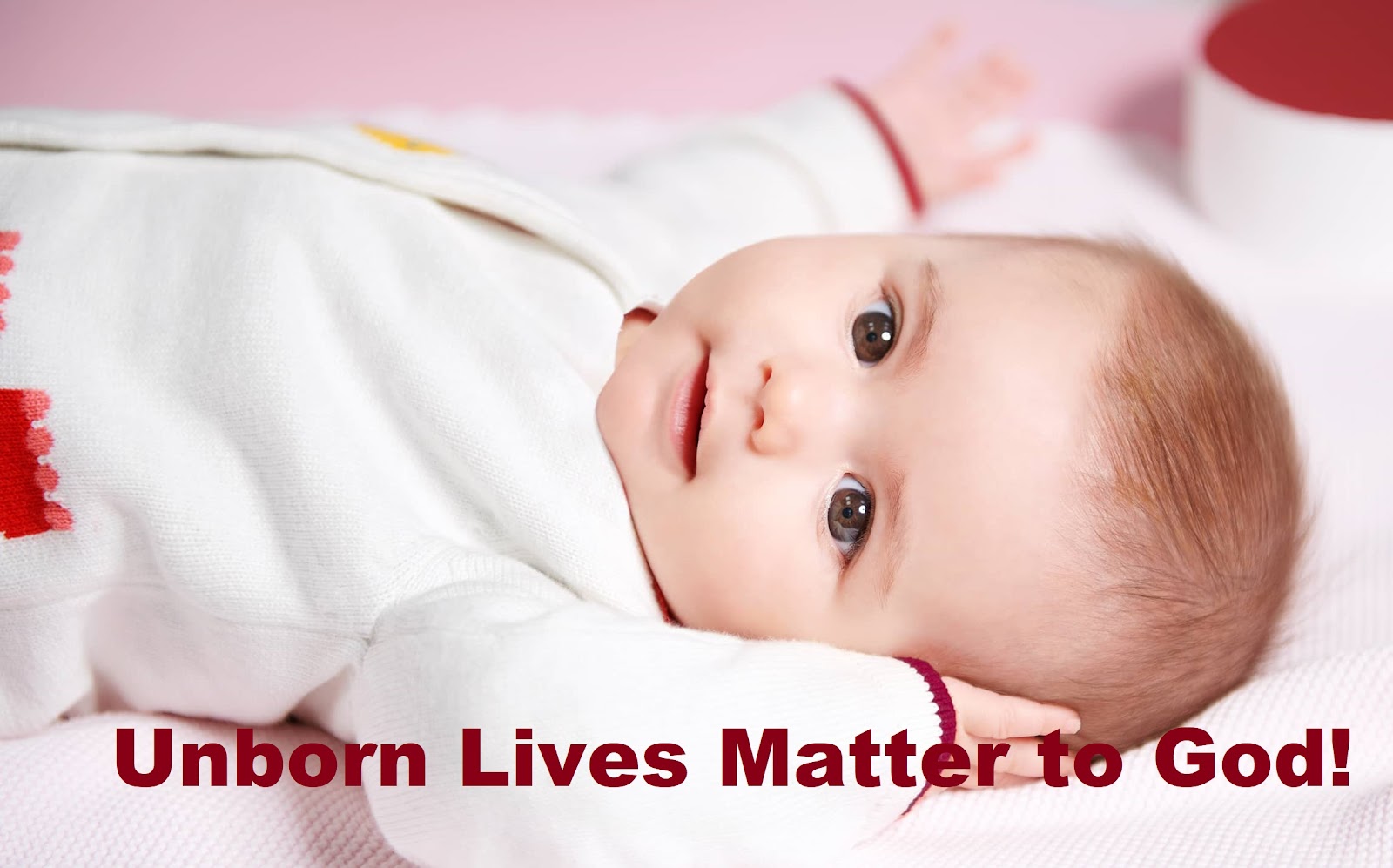
Below shows when a life is formed, it is within two weeks of conception a human life starts forming. All lives matter to God! Unborn lives matter to God! Please pray to stop all these abortions and killing babies in our country and around the world! Let us value all life! Kudos to Puerto Rico!
Understanding Conception and Baby Formation
What is Conception?
Conception occurs when a sperm fertilizes an egg, forming a zygote. This typically happens in the fallopian tube within 24 hours after ovulation, which is about two weeks after the first day of a woman's last menstrual period (LMP).
Timeline of Development
After conception, the zygote travels to the uterus, where it undergoes several stages of development:
| Stage | Description | Duration |
|---|---|---|
| Germinal Stage | The zygote divides and forms a blastocyst. This stage lasts until implantation. | Weeks 1-2 |
| Embryonic Stage | The blastocyst implants into the uterine lining and develops into an embryo, forming major organs. | Weeks 3-8 |
| Fetal Stage | The embryo develops into a fetus, with further growth and maturation of organs and systems. | Week 9 until birth |
Key Points
- Conception is the moment the sperm fertilizes the egg.
- The fertilized egg (zygote) travels to the uterus and implants itself, marking the start of pregnancy.
- The first signs of pregnancy, such as a missed period, typically occur about two weeks after conception.
Understanding these stages helps clarify when a baby begins to form and develop after conception.


Enjoy my websites/blogs at:
I am glad someone can use science and define that an unborn baby is still a human being!
God, Jesus, Abortion, Life, Unborn, All Lives Matter to God,Unborn Lives Matter, Puerto Rico, Human Beings, Conception, Humane,Civilized,
Comments
Post a Comment